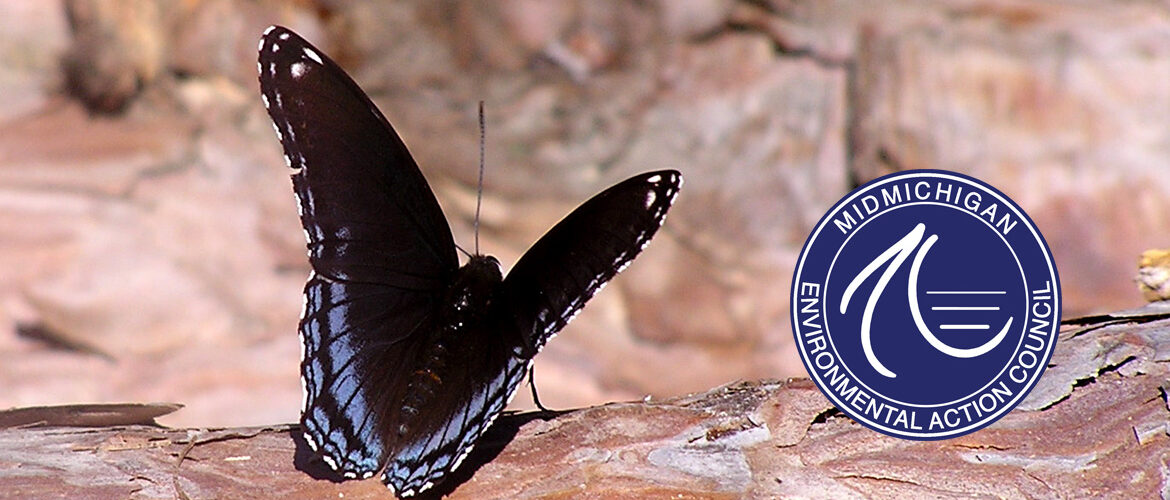
Bats, bees, birds, and butterflies – the importance of pollinators
Wherever flowering plants flourish, pollinating bees, birds, butterflies, bats and other animals are hard at work. About three-fourths of all native plants in the world require pollination by an animal, most often an insect, and usually a native bee. Most bees live underground. Pollinators and the indispensible service of pollination they provide are at risk from habitat loss and pesticide use.
“Pollinators are responsible for one in every three bites of food you take.” USGS
There are over 20,000 known bee species in the world, and 4,000 of them are native to the United States. Native bees were here long before European honeybees were brought to the country by settlers (honeybees are not native to North America). Source
Ditch the Chemicals and Shrink Your Lawn with native plant species
Planting native species in our yards creates important food and rest for bees, butterflies, birds, and bats. Discontinuing or reducing pesticide / herbicide use is also important for protecting pollinators.
MidMichigan Environmental Action Council works with municipalities, schools, and neighborhoods to create new pollinator habitat in our urban landscape. We’ve planted thousands of native plants in the local landscape, creating pollinator pathways throughout our region.
Project Partners from MSU Extension helped us develop the following short list of front-yard-friendly native species. Get these natives delivered to your door – support MidMEAC and the National Wildlife Federation – order from Gardens for Wildlife here
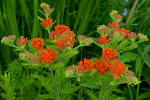 |
Butterfly Weed (Asclepias tuberosa) H: 1ft – 2.5ft. |
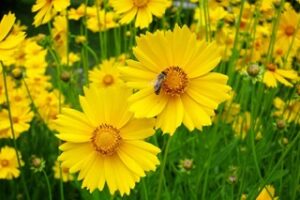 |
Sand Coreopsis (Coreopsis lanceolota) H: 1ft – 2ft. |
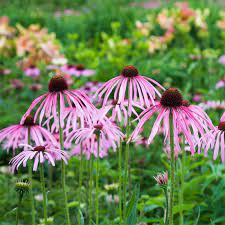 |
Pale Purple Coneflower (Echinacea pallida) H: 2ft – 3ft |
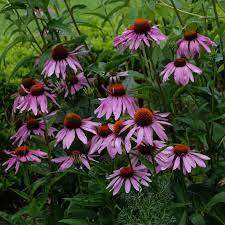 |
Purple Coneflower (Echinacea purpurea) H: 2.5ft – 5.0ft |
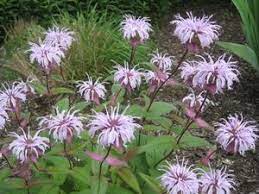 |
Bee Balm (Monardo bradburia) H: 1ft – 2ft |
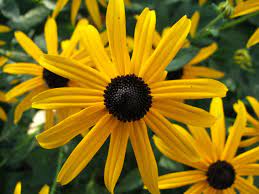 |
Black-eyed Susan (Rudbeckia Fulgida) H: 2ft – 3ft |
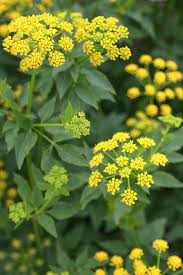 |
Golden Alexanders (Zizia aurea) H: 1.5 ft – 3ft |
Download Native Plant List PollinatorShortList
Trees For Pollinators (List) – Michigan Beekeepers Association
Lights Out For Pollinators – DarkSky
The Essential Role of Pollinators
Pollinators like bees and butterflies are essential to production of at least 30% of human-cultivated crops (our food) and 90% of wild plants (food for all), yet populations of these pollinator species are in serious decline.
Building Your Own Pollinator Protection Zone
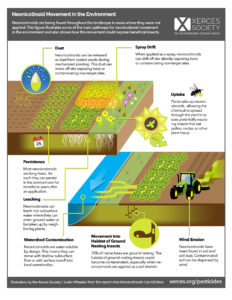 Chemical Use. Reduce or eliminate the use of pesticides in your yard. Avoid pesticides containing neonicotinoid compounds. Learn more from the Xerxes Society about chemical use and the way chemicals move through our community.
Plant Choices. Luckily, some of our favorite flowering plants are also favored by pollinators. A short list includes Lanceleaf coreopsis (Coreopsis lanceolata), Black-eyed Susan (Rudbeckia hirta), and Oxeye sunflower (Heliopsis helianthoides). When buying plants, look for sources that are neonicotinoid-free.
Resources available from BeeCityUSA
Let us know if you want to be involved in our community programs to increase pollinator habitat! Contact us