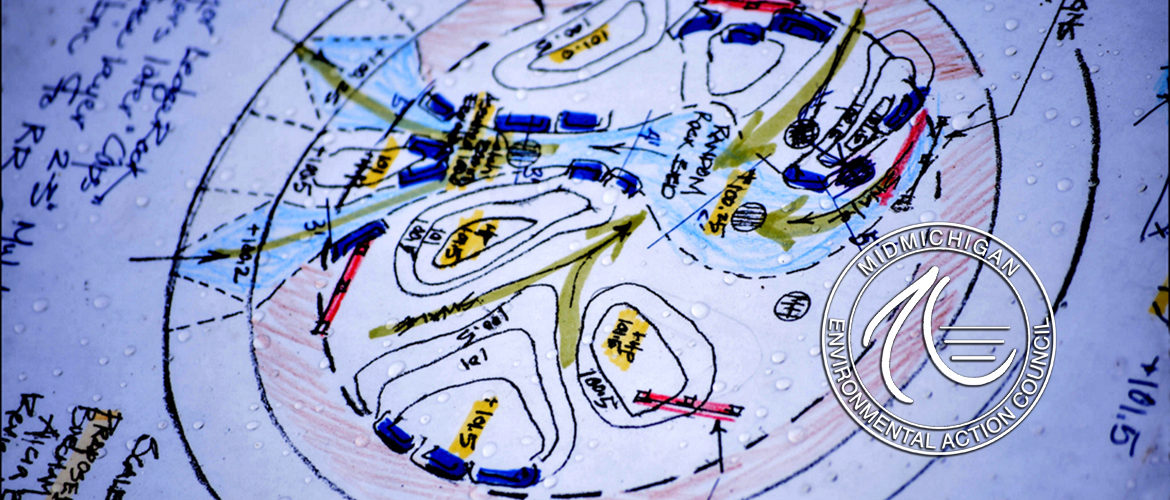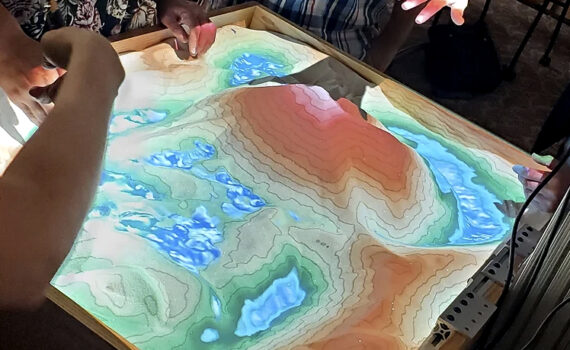
The Augmented Reality Sandbox (ARS) is a surface and groundwater modeling tool developed through the Mid-Michigan Watershed Connections Partnership, led by MidMEAC, together with the Eaton Conservation District and the Greater Lansing Regional Committee for Stormwater Management. ARS is a 3D, interactive, educational tool aiding the understanding mapping, topography, watersheds, […]

Watershed Education in Mid-Michigan Leaps Forward with Augmented Reality System


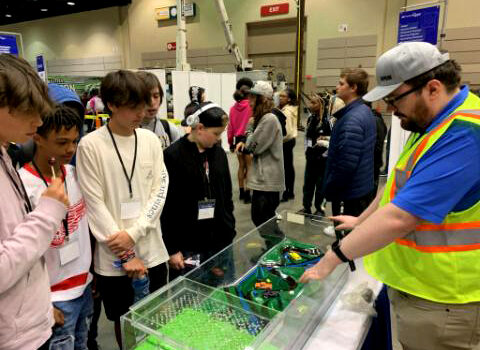
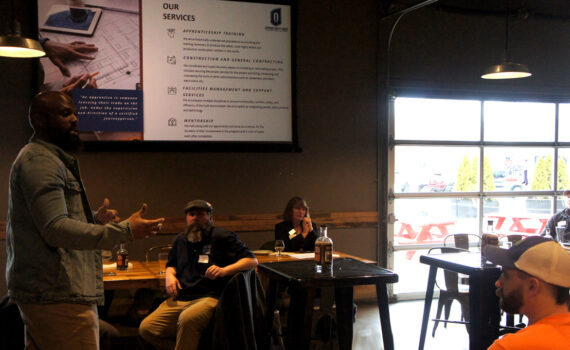
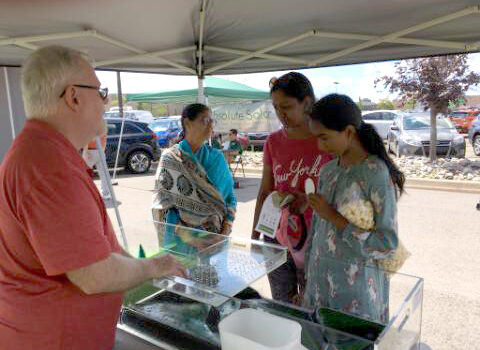
The Stormwater Floodplain Simulation System facilitates discussion around the dangers of flooding and the importance of floodplain management. Adults, policymakers, educators, and students of all ages gain perspective on river basin dynamics and human-made factors that impact flooding events. MidMEAC and our Partners also use the System to inspire engagement […]

MidMEAC Presents Stormwater Floodplain Simulation at Career Fair


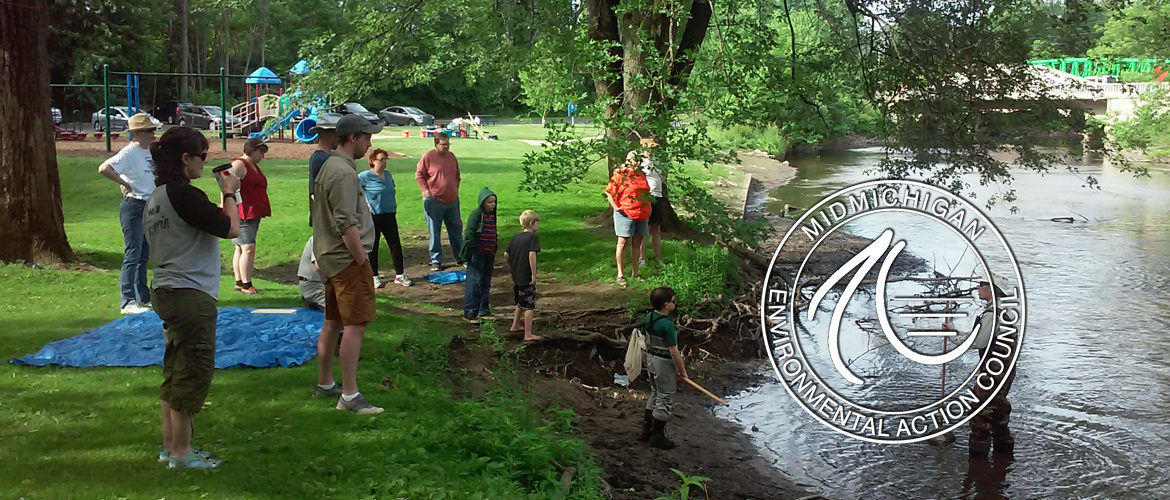
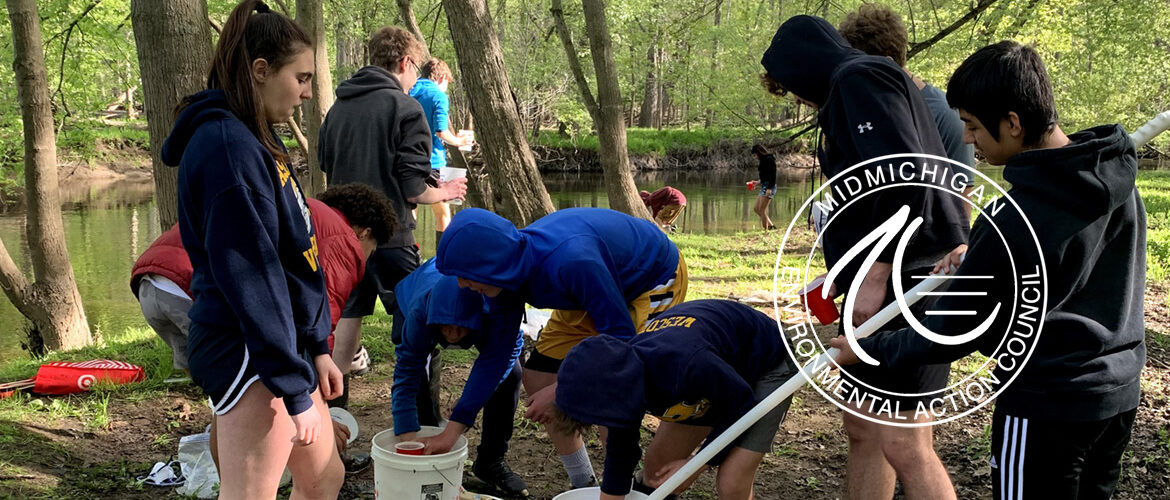
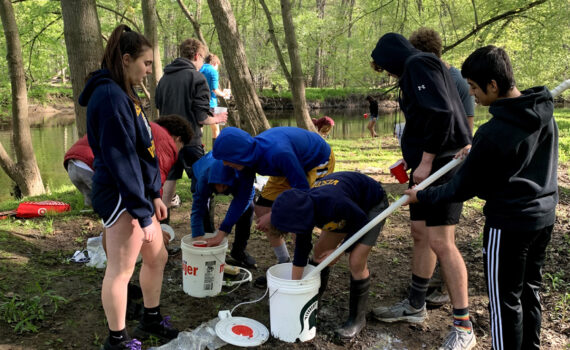
As part of the MMWC/BWET education program, Haslett Middle School students visited Mud Lake & Mud Creek (May 9) and a section of the Red Cedar River, tributary to Grand River, at Legg Park (May 10), to release salmon they had raised. Discussion included salmon life cycle and connection to Lake […]

MMWC Students Release Salmon in Grand River Tributary


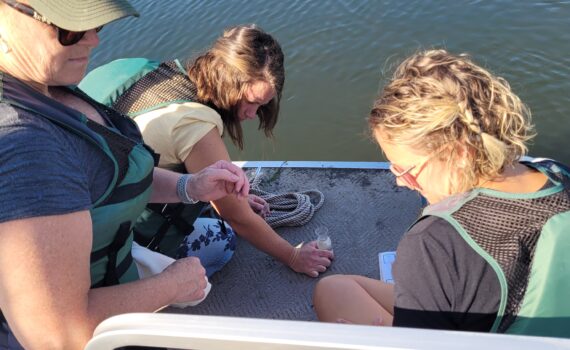
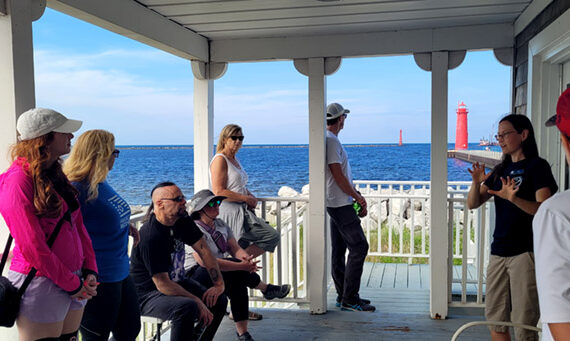
Mid-Michigan Watershed Connections sent educators to meet with staff at NOAA Great Lakes Environmental Research Lab to learn about work done by the National Oceanic and Atmospheric Administration on the Great Lakes. Researchers at the Annis Water Resources Institute (AWRI), in conjunction with Grand Valley State University, discussed both research […]

MidMEAC Grant Sends Teachers to Lake Michigan Outdoor Education Program


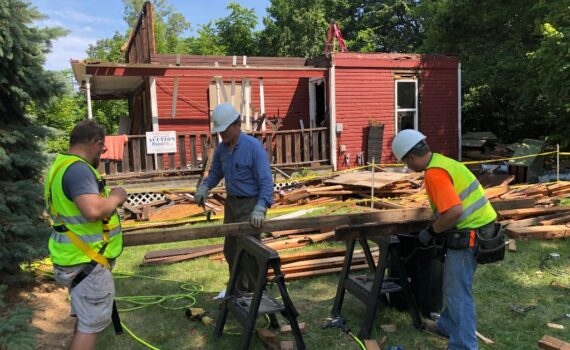
MidMEAC worked with the Ingham County Land Bank, Michigan State University Center for Community and Economic Development, Midtown Training, Opportunity Knox, and other partners to reclaim materials from a structure slated for demolition. Learn more about deconstruction here

Reclaiming Old-Growth Forest Materials


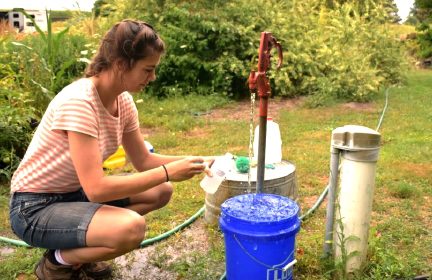
Garry Rowe’s team of volunteers tested well water chemistry in rural Ingham County – a study of fluoride and boron in drinking water.

MidMEAC Supports Well-Testing


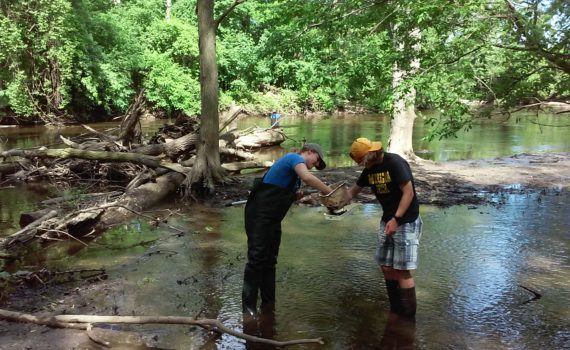
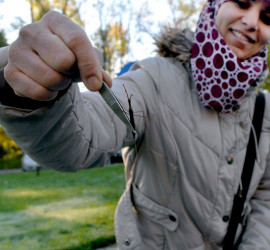
MidMEAC Board Member Meredeth Crane works in-stream to collect macroinvertebrates in the Red Cedar watershed. Sorting and identifying aquatic insects helps us assess water quality.

MidMEAC’s Stream Monitoring Team


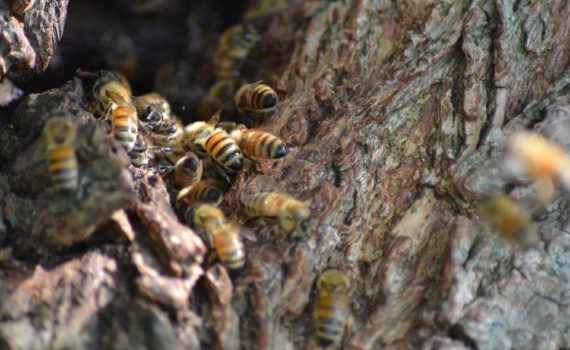
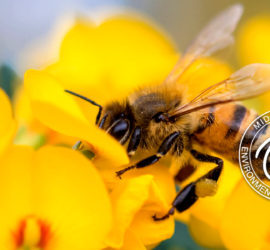
All Things Considered features interview – “Many wild bee species are in widespread decline worldwide due to multiple interacting factors.  Habitat loss, parasites and disease, pesticide use and climate change have all been blamed.  Urbanization contributes to habitat loss, and that trend is expected to accelerate in coming decades.”

Impacts of Urbanization on Wild Bees


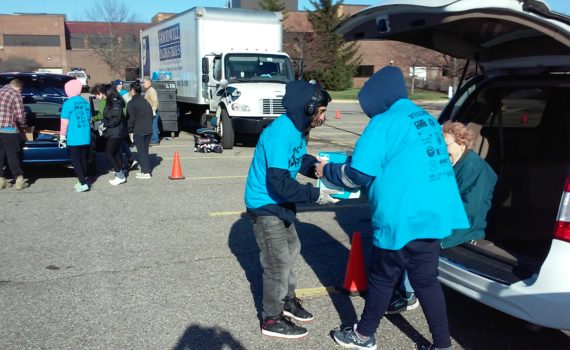
Volunteers collect fabrics and yarn that will be made into quilts, scarves, and blankets that are donated to families in MidMichigan.

Recycle Rama 2019


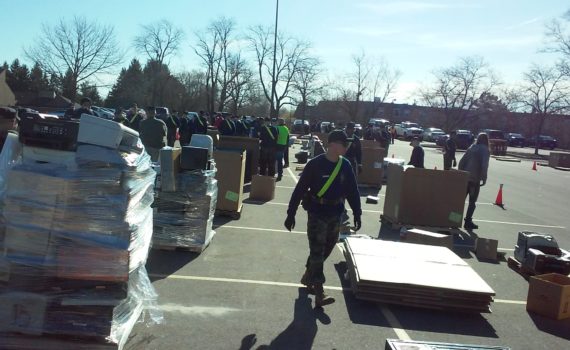
Cadets from the Michigan Youth Challenge Academy help Lansing recycle tens of thousands of pounds of electronics.

MYCA at Recycle Rama